by baroncini@netseven.it | Oct 4, 2023
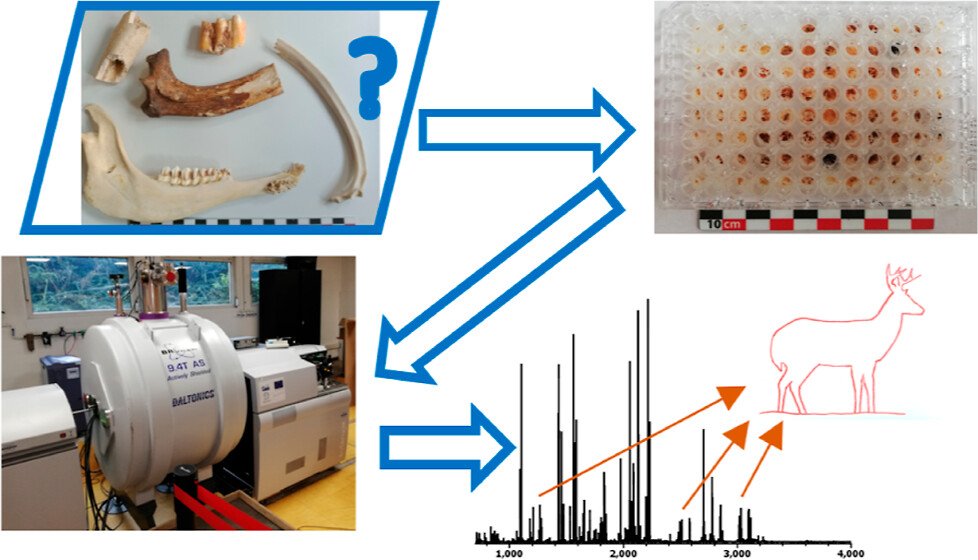
Peptide mass fingerprinting (PMF) using MALDI-TOF mass spectrometry allows the identification of bone species based on their type I collagen sequence. In the archaeological or paleontological field, PMF is known as zooarchaeology mass spectrometry (ZooMS) and is...
by baroncini@netseven.it | Oct 4, 2023
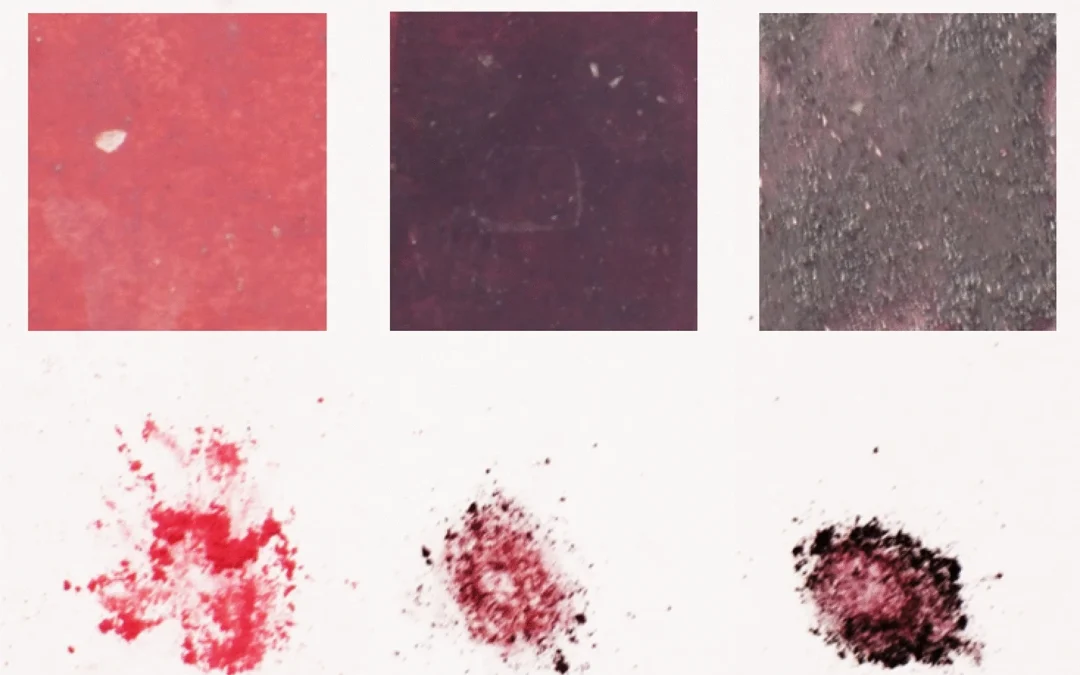
Madder lake is the most utilized anthraquinone dyestuff in artworks. Its main constituents (alizarin and purpurin, together with other natural dyes) form an organometallic complex (the lake) insoluble in water by precipitation or adsorption of the dye onto an...
by baroncini@netseven.it | Oct 4, 2023
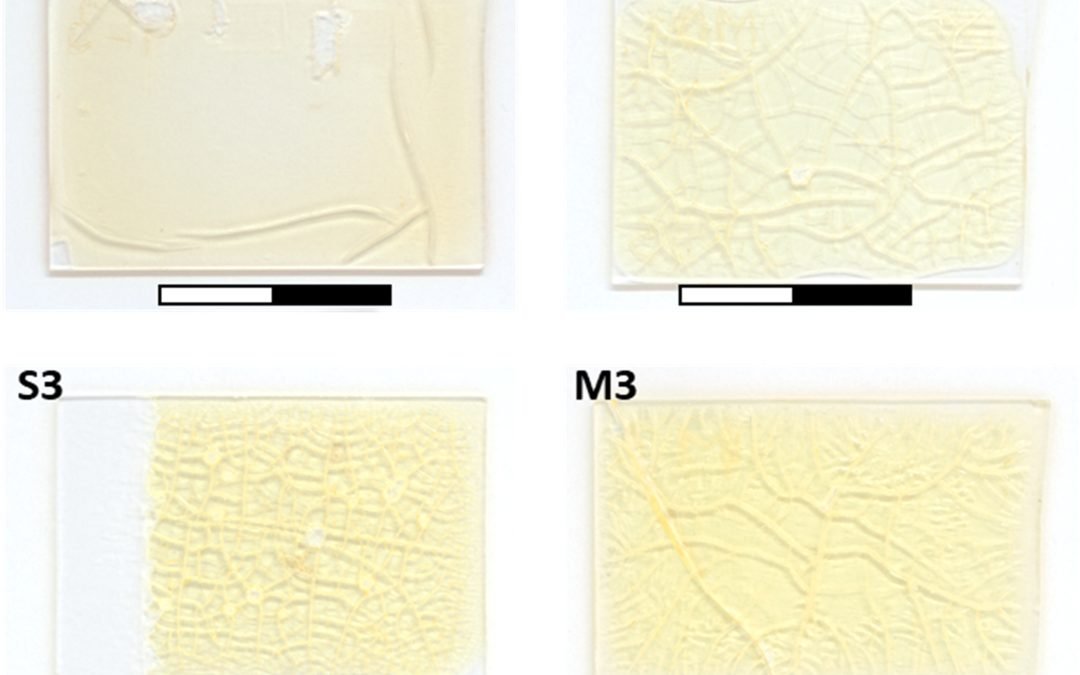
Varnishes are employed in painted artworks for protection from atmospheric pollution and oxidation and for improving the esthetic appearance by providing an even and brilliant surface finish. Also, in some cases, coloured varnishes are applied intentionally to modify...
by baroncini@netseven.it | Jul 26, 2023
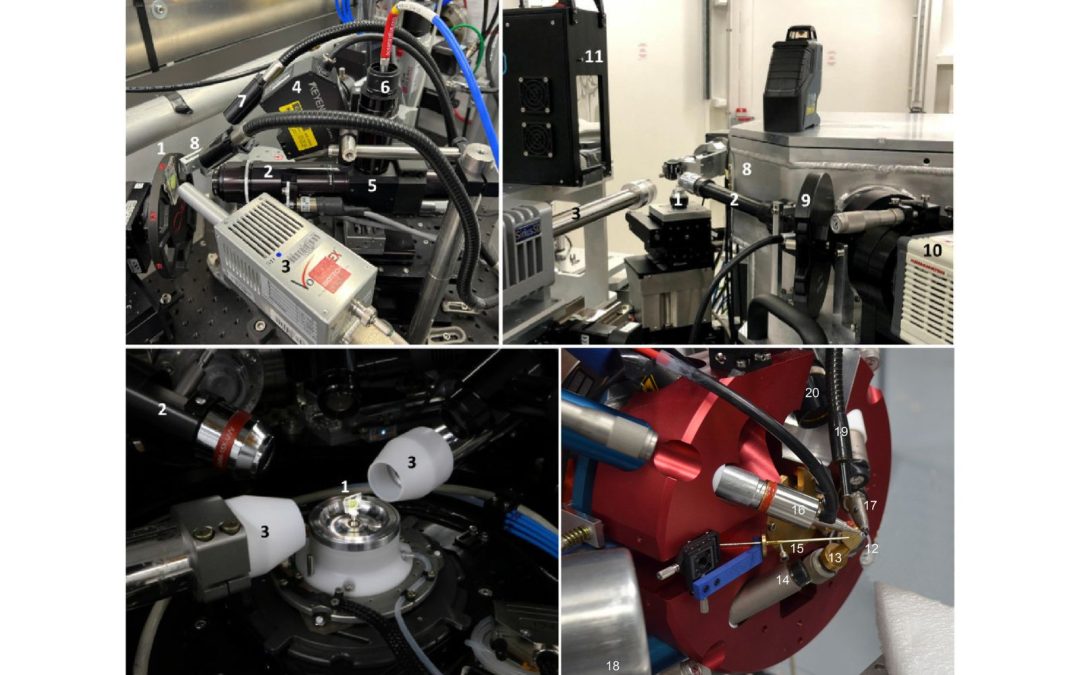
In recent years, we have seen a significant increase in interest in the effects of irradiation used for analytical purposes on art, archaeological, palaeontological and palaeoenvironmental samples and objects. Among the main trends regarding ionising radiations used...
by baroncini@netseven.it | Jul 26, 2023
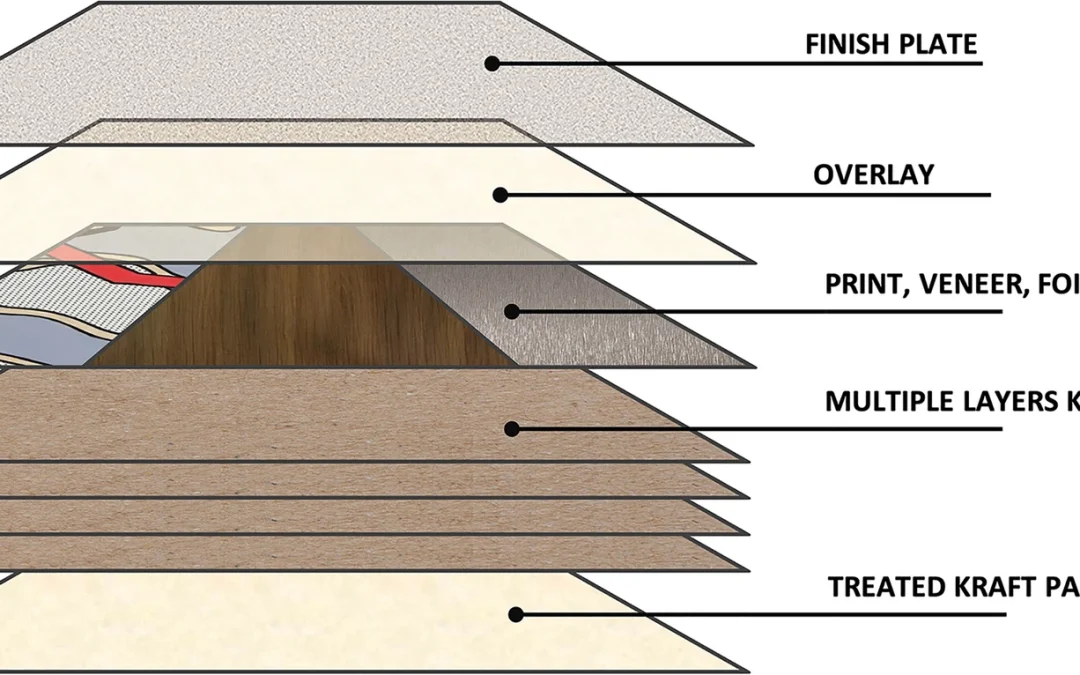
Literature research revealed that scientific work on the characteristics of historical decorative laminates (DLs), like typology, and particularly the material-technical aspects related to the composition and build-up is scarce in the field of conservation-restoration...
